
Get Instant Quote
Pest controlHigh priority

Rats & Mice

Rattus rattus, Rattus norvegicus & Mus musculus

Gnawed wiring, contaminated insulation and a fire risk in the roof — solved by proofing the building, not just laying bait.

When they're active: Sharp increase as they move indoors from late autumn, peaking through winter.
Get a quote Call 0433 452 155
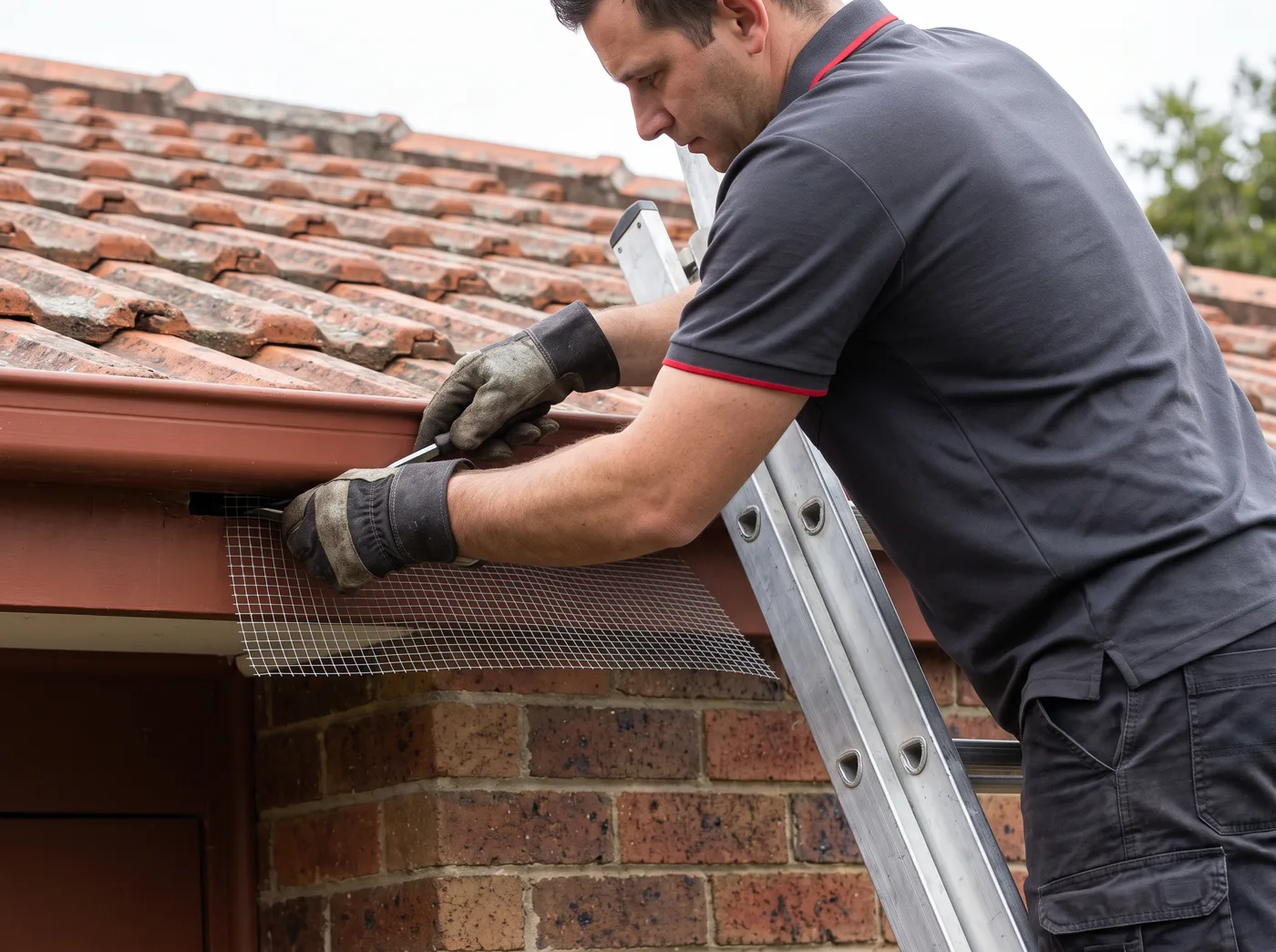
Technician fitting steel mesh to seal a rodent entry gap at a roof eave
How to identify
Roof rat
Slender, 16–20cm body with a tail longer than its body — an agile climber, lives in roof voids
Norway rat
Heavier, 20–25cm with a shorter blunt tail — burrows at ground level, drains and sub-floors
House mouse
7–10cm, large ears relative to the head, droppings the size of a rice grain
Where they nest
Roof voids, wall cavities, sub-floors, behind dishwashers, in stored boxes and garden sheds
Overview

What you're actually dealing with.

The scratching overhead is the symptom. The problem is the gap in the eaves.

Rodent jobs fail when they stop at bait. Laying bait clears the animals currently in the roof, but a Melbourne home shares its boundary with gardens, laneways and neighbouring roof lines that hold a steady supply of replacements. Leave the entry point open and the void is reoccupied within weeks, which is why so many owners feel like they are baiting the same roof every winter.

The risk is worth taking seriously. Rodents gnaw constantly to manage their incisors, and cabling and conduit are common targets — chewed wiring in a ceiling space is a recognised house fire cause. Their urine and droppings foul insulation and food preparation areas, and they bring fleas and mites into the roof void with them.

We work the other way around. We map the activity through the roof, sub-floor and perimeter, find every gap they are using, and physically proof it — then bait or trap the population inside the now-sealed building. In roof voids we generally prefer trapping, so nothing dies in a cavity you can’t reach. Finally we decontaminate the fouled areas and come back to confirm the activity has stopped and the proofing is holding.

Signs of an infestation

Scratching or scurrying overhead at night, usually just after dark
Droppings along skirting boards, in the pantry or across roof insulation
Gnaw marks on food packaging, timber, conduit or cabling
Dark greasy rub marks along regular travel routes
A persistent ammonia-like smell in an enclosed space
Pets fixating on a wall, appliance or ceiling area
Problems caused

Why it's worth dealing with properly.

Gnawed electrical cabling is a genuine and well-documented house fire cause
Urine and droppings contaminate insulation, stored goods and food preparation areas
Carries salmonella and leptospirosis, and transports fleas and mites into the roof void
Compresses and fouls ceiling insulation, reducing its thermal performance
A breeding pair of mice can produce over fifty offspring in a year
Immediate compliance failure for any food-handling business
How we treat it

Our rats & mice treatment.

01
Inspect and map the activity
We follow rub marks, droppings and gnaw damage through the roof void, sub-floor and perimeter to establish which species you have, how many, and the routes they are running.
02
Find and close the entry points
This is the step most jobs skip and the reason bait-only treatments fail. We locate every gap, weep hole, damaged vent and roof junction they are using, and proof it in steel mesh or an appropriate sealant.
03
Secure baiting and trapping
Bait is placed only in tamper-resistant, locked stations positioned along active runs, well away from children and pets. Where a roof void makes bait unsuitable we use trapping instead, so nothing dies inside an inaccessible cavity.
04
Remove and decontaminate
We remove accessible carcasses, then clean and sanitise the contaminated areas. Droppings and urine in insulation are a health issue in their own right, and we can quote on insulation replacement where fouling is heavy.
05
Re-inspect and re-bait
We return to check stations, confirm activity has stopped and verify the proofing is holding. That follow-up is included, and it is what makes the result last past the first cold snap.
Prevention

How to keep them out.

Worth doing whether or not you book us — most re-infestations trace back to one of these.

Seal gaps over 6mm — a mouse passes through a hole the width of a pencil
Screen weep holes, vents and the gaps where pipes and conduit enter the wall
Cut back branches and creepers that give roof access from trees or fences
Keep pet food, birdseed and dry goods in sealed hard containers
Secure compost and keep bin lids closed and clear of the wall
Clear stacked timber, boxes and disused items that create harbourage
Licensed & insured
Every treatment is carried out by a licensed technician under full public liability and WorkCover cover.
12-month warranty
Free re-treatment of the same pest at the same Melbourne address within 12 months of the covered work.
Reported & documented
A compliance-ready PDF listing products used, placements and technician licence details, emailed the same day.
FAQ

Rats & Mice questions.

Why do rodents keep coming back after baiting?+
Because baiting removes the current occupants but leaves the doorway open. Melbourne homes back onto gardens, laneways and neighbouring roof lines with a constant supply of new rodents. Unless the entry points are physically sealed, the next ones simply move into the vacancy.
Is the bait safe around pets and children?+
All bait is placed inside tamper-resistant, locked stations secured along runs that children and pets cannot access. Where the risk profile doesn't suit bait at all — young children, dogs that dig, or a wildlife-sensitive property — we use trapping instead. Just tell us and we'll plan around it.
What if one dies inside a wall?+
It's the main drawback of bait-only work in an occupied home, and the reason we favour trapping in roof voids and cavities. If it does happen we'll locate it where we can access it, and pair the job with our odour control service to clear the smell properly rather than mask it.
How do I know whether it's rats or mice?+
Droppings are the quickest tell — mouse droppings are about the size of a grain of rice, rat droppings are two to three times larger. Mice tend to be heard as light scurrying in walls, rats as heavier movement overhead. We confirm it on inspection, because the baiting and proofing differ.
Do you handle possums as well?+
Possums are a protected native species in Victoria and cannot be treated as a pest. They must be handled under permit with strict relocation limits, so we won't bait or trap them. If you hear heavier, slower movement in the roof, tell us — it's often a possum rather than a rat, and it needs a different and lawful approach.
Do you provide reports for property managers?+
Yes. Every job includes a compliance-ready PDF listing the technician's licence, bait station placements, products used, proofing completed and warranty terms, emailed the same day.

Deal with rats & mice properly.

Licensed technician, fixed pricing, 12-month warranty on covered work.

Get a quote Call 0433 452 155
Other pests we treat